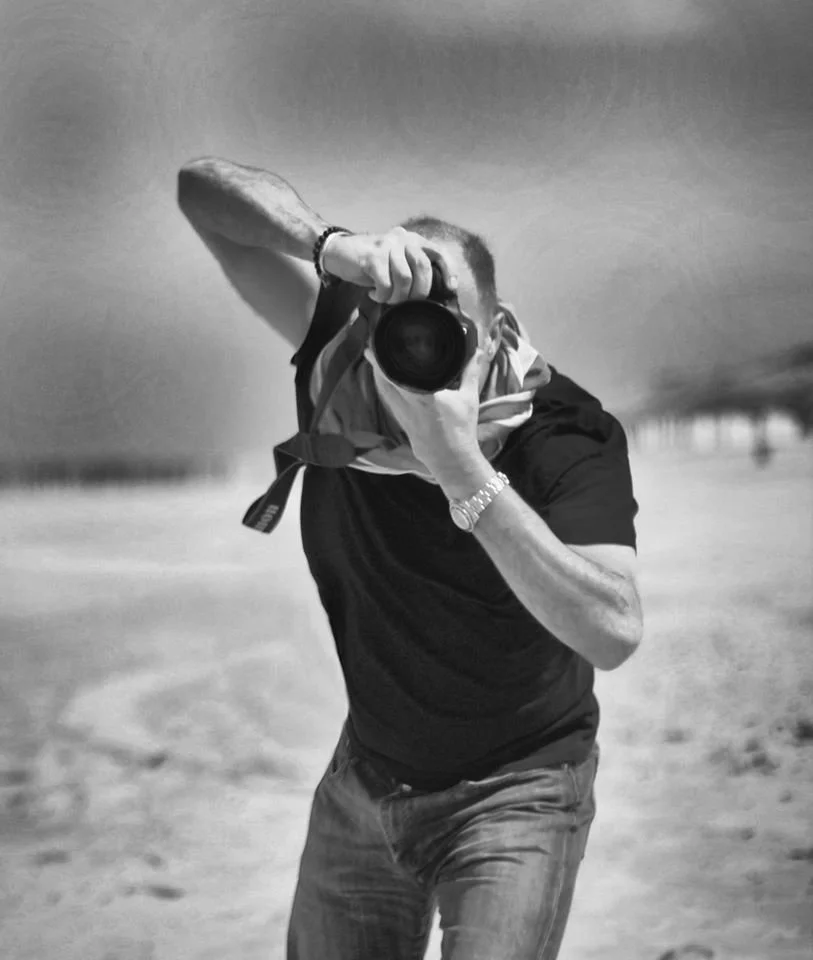
The Best Boudoir Photographer in Boston?
An Artist’s Perspective on Fine Art Portraiture in Boston
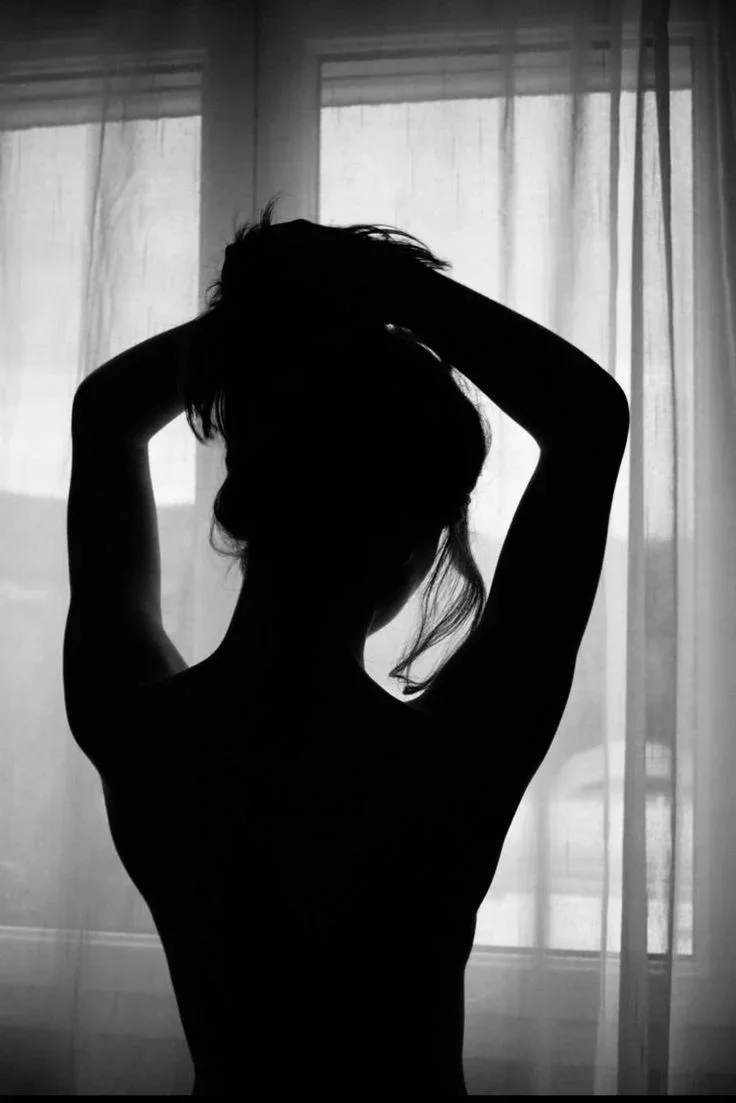
The Best Boudoir Photographer in Boston?
Photography, the Body, and the Illusion of Perfection in an Age of Anxiety
Catchy headline, isn’t it? Did it help you find your way here? Great. If you searched for the best boudoir photographer in Boston, but what you actually want may not be boudoir at all.
I am not especially interested in being “the best” anything. That is not really me, and photography is far too personal for such a simple ranking. The best photographer for you is the one whose work, approach, and way of seeing people feel right to you.
But the phrase raises a more interesting question:
When you search for a boudoir photographer, what are you really hoping to find?
Perhaps you want to feel beautiful. Desirable. Confident. Seen.
Perhaps you want photographs for a partner - or photographs that belong entirely to you.
Perhaps you are marking a birthday, a transition, a recovery, a new relationship with your body, or simply a moment when you decided it was time to do something bold.
Those desires are universal. They have not changed very much.
What has changed is the visual world around us.
Boudoir Photography in the Age of Perfection
I have nothing against boudoir photography. In fact, I was photographing boudoir on film as far back as the 1980s.
At that time, boudoir photography often followed a fairly polished and standardized formula: professional hair & makeup, six or ten sets that we rotated through, a handful of familiar outfits, and perhaps a dozen established poses, repeated while one client after another was substituted into the same basic recipe..
The results could be flattering, glamorous, and beautifully produced. But even then, I was more interested in the individual person than in fitting everyone into a predetermined idea of what sexy was supposed to look like.
In a sense, these highly stylized, once-in-a-lifetime images of you were never entirely you.
I have been photographing people for decades, and during that time I have witnessed seismic cultural changes in the way we think about nudity, privacy, the body, perfection, and self-presentation.
The art of photography is increasingly overshadowed by a digital culture in which a polished version of perfection is available at the push of a button. At the same time, it has become harder to find people who are willing or perhaps comfortable enough to step in front of the lens and be seen.
For my own fine art work, this presents a real challenge. I have never been driven primarily by client bookings, so the commercial side of that change concerns me less. What concerns me more is the shrinking willingness to participate in the vulnerable, collaborative act of making art.
Some people have become more empowered and open about their bodies, while the broader culture has simultaneously become more guarded, self-conscious, and uneasy. We reveal more of ourselves than ever online, yet often seem less comfortable being seen as we actually are.
That contradiction is both curious and sad. One of the privileges and perhaps one of the disadvantages - of having lived through another era is remembering a time when life felt simpler, when people were far less self-conscious and the body was not as highly charged with so many layers of judgment, anxiety, performance, and expectation.
Freedom was once understood not only as a political idea, but as a way of living—an openness to experience, expression, experimentation, and the choices of others.
We like to believe that progress inevitably makes us more evolved. Perhaps it has in certain narrow ways. Yet in our relationship with the body, nudity, and personal expression, I often see something closer to a retreat: a gradual return to Victorian restraint and a peculiarly American form of puritanism.
That retreat is not universal. In parts of Europe where I have photographed, creative collaboration, the artistic nude, and a more mature understanding of nudity and exposure remain very much alive. The body is not automatically treated as sexual, dangerous, or shameful simply because it is visible.
Even there, however, I have begun to notice American prudishness making inroads—which, after decades of supposed cultural progress, is astonishing.
That discomfort has changed photography. Rather than helping us see ourselves more clearly, much of contemporary image-making now offers unrealistic escape: a perfected face, a corrected body, a carefully constructed identity. The camera, still capable of revealing something honest, is increasingly used to conceal, revise, and manufacture.
Maybe it is time to give more consideration to the possible antidotes to the modern world: an analog approach, slowing down, creating something together, the human interaction that develops between photographer and subject, and the anticipation of not knowing the result immediately.
Art.
This post is certainly a mix of thoughts, but I write for many of the same reasons I photograph: first, to get the ideas out of my head, and second, for my own satisfaction.
If something here resonates with you, let’s connect. Maybe create. something together.